
Does it matter what we call God?
Would it matter if I called the woman who brought me into the world mother, mum, mummy or Patricia? It wouldn’t change my intrinsic connection to her. With that in mind, and a basic concept of God as Creator and humanity and the world as part of that creation, does it matter what we call God, would that change how we connect?
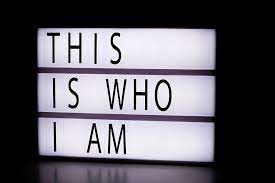
In the Bible the word Yahweh appears many times before Moses asks for his name. ‘I am who I am’ is God’s reply and then he says, ‘This is my name for all time; by this name I shall be invoked for all generations to come’. Interestingly enough I believe I have, on more than one occasion, said (both internally and aloud) ‘I am who I am’. Life experience has led me to the conclusion that I am who I am and whilst I may change aspects of myself and that ‘am’ may change with personal growth it is a statement that is a tautology. What is significantly different between my saying it and God saying it as an answer to Moses, is that I don’t know every single part of my own being – each day is a learning experience about my world both outer and within. I’m assuming the omniscient divine presence absolutely knows its own infinity.
In Christianity we frequently refer to God as Father. This stems obviously from the Gospels where Jesus tells his followers to pray and names God as ‘Our Father’ and then as ‘your heavenly Father’. But consider the social circumstance of the time – what did the role of a father entail? It isn’t the same today – time has changed society in so many ways. The father back then was the authority of the household, the provider, the protector, the one who carried the responsibility and was owed absolute respect and honour. It was not his role to amuse a child or provide physical care for an infant but today we take paternity leave etc so why can we not move beyond this image of God as father? There is nothing wrong with this image of God but it cannot be ‘it’. Personally, I find a sense of protection and care with God that does remind me of the safety I felt as a child when I had a bad dream and my father was in the house, there was a comfort and a sense that I would be protected from any evil force that tried to harm me (I had a recurring nightmare about a witch).
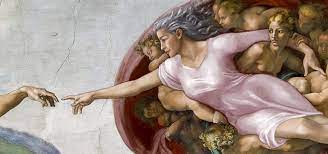
There has been much said and written about the ‘sexist’ nature of Christianity (more on that in a future blog) and much has been identified in the Bible that highlights nurturing qualities of God and the image of God as a mother (especially given the Creator God image). Is there any harm in referring to God as she? I don’t think there is – but that is just my opinion – but it is an opinion based on a lot of reading and reflection, but still an opinion. I see no conflict in using the prayer ‘Our Father’ and still calling God she. I love that the Bible presents the quality of Wisdom as female and wisdom is both an attribute we associate with the divine and one of the gifts. Wisdom is an interesting topic for reflection because in the Book of Wisdom the author clearly presents it as divine even though referring to this strength as ‘she’. So really we have learnt to name the divine by the term that states its identity, roles which mirror aspects, and strengths that we believe stem from this being. So why not say God is Creator, God is Our Father, God is Maternal, God is The Wise One? The divine presence is beyond our ken, so who is to say this is wrong? As humans we have to find what makes sense to use both intellectually, emotionally and spiritually.
According to Scripture we really only have the one name for the Christian (Jewish, Islamic) god and that is Yahweh. But then when we look at that really when Moses asked for a name he got the answer ‘I am who I am’ which was then shortened to Yahweh – so technically we don’t actually have a name (as we understand names) for this divine presence. So does it matter what we call God? I tend to flip around between God and the divine presence or the Transcendent Other – but if I don’t have to say it out loud the name for me is irrelevant – isn’t it really about a spiritual connection?
Why do we need a name?
Our view of the significance of a name has changed over time. Think back to Arthur Miller’s The Crucible and John Proctor’s cry:
Because it is my name! Because I cannot have another in my life! Because I lie and sign myself to lies! Because I am not worth the dust on the feet of them you have hanged! How may I live without my name? I have given you my soul; leave me my name!
John Proctor, The Crucible (by Arthur Miller)
Our name used to be indelibly connected to our identity and it was how we were known – in some instances reputation is still inflated in importance if we look at social media and the way in which people search our name in their cyberstalking ventures.
Today, we use people’s names to acknowledge, to communicate, to connect but it is also still a part of our identity. As an educator I have to learn lots of names every year and in a relational sense knowing someone’s name matters. Remember the theme song from the TV Show Cheers?
Sometimes you want to go
Where everybody knows your name,
and they’re always glad you came.
You wanna be where you can see,
our troubles are all the same
You wanna be where everybody knows
Your name.
It’s human that just as we hope God knows our name – we want a name in return, but ultimately this influences our perception of the relationship. What if the greatest connection is when we close our eyes and just know to whom we communicate? Those moments when words are not needed and ultimately not enough. But we are human and so we need both, the spoken and the unspoken.
Have we allowed our words to define what is indefinable?
 The Female Theologian