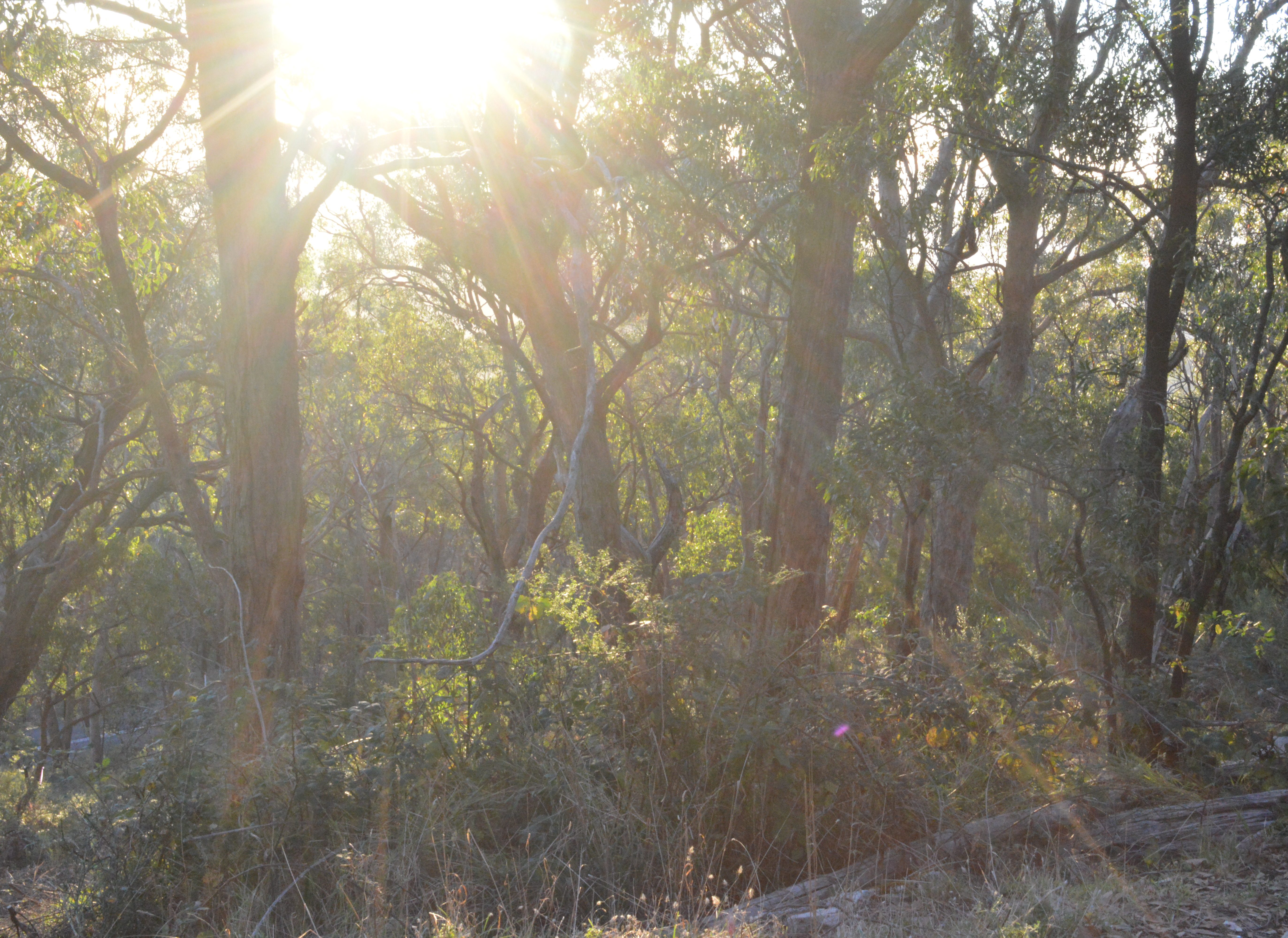
Today is the Feast of the Transfiguration here in Australia. There is so many aspects to break open in that narrative. The divinity of Jesus, revealed. God’s presence – yet again encountered up a mountain. Scripture fulfilled in the presence of Moses (Law) and Elijah (Prophets). The simple humanity of Peter, trying to hold in one place what he does not yet understand.
There is also that call to all humanity: to become more fully who God created us to be – to aspire, to grow and to pursue with fervour the fullness of our humanity. For the disciples cannot remain on the mountain. They must return to ordinary life, carrying with them a new vision of who Jesus is and what their own lives might become. As we must.
Perhaps that is the invitation of the Transfiguration: not to escape the world, but to see it differently; not to capture moments of grace, but to allow them to transform how we live when we come down from the mountain.
We may recognise this movement in our own experiences of pilgrimage or retreat. On Camino, or in a time set apart for reflection, life can feel clearer, slower and more grace-filled. We return wanting to preserve that way of seeing and being, only to find ourselves again within emails, responsibilities, routines and competing demands. The challenge is not to recreate the mountain or remain on the road, but to carry what we encountered there into ordinary time – to find ways for that grace to shape how we listen, choose, relate and live within the everyday.
The grace of the mountain is not given so that we can remain above ordinary life, but so that we can return to it transfigured. The real measure of encounter is not how luminous the moment felt, but whether its light changes the way we live when the brightness fades into memory and shadows, whether we carry something of Christ’s radiance into the ordinary, the difficult and the unseen places of our lives.

