It starts in the present.
Catholic theology begins with the conviction that creation is gift. The earth is not merely raw material waiting to be exploited, but part of a created order entrusted to human care. In Laudato Si’, Pope Francis challenges a model of progress measured only by production, consumption and extraction. Pope Leo extends this concern in Magnifica Humanitas, insisting that innovation must remain at the service of the human person and the common good.
This places the passion of young minds at the centre of our hope for the future.
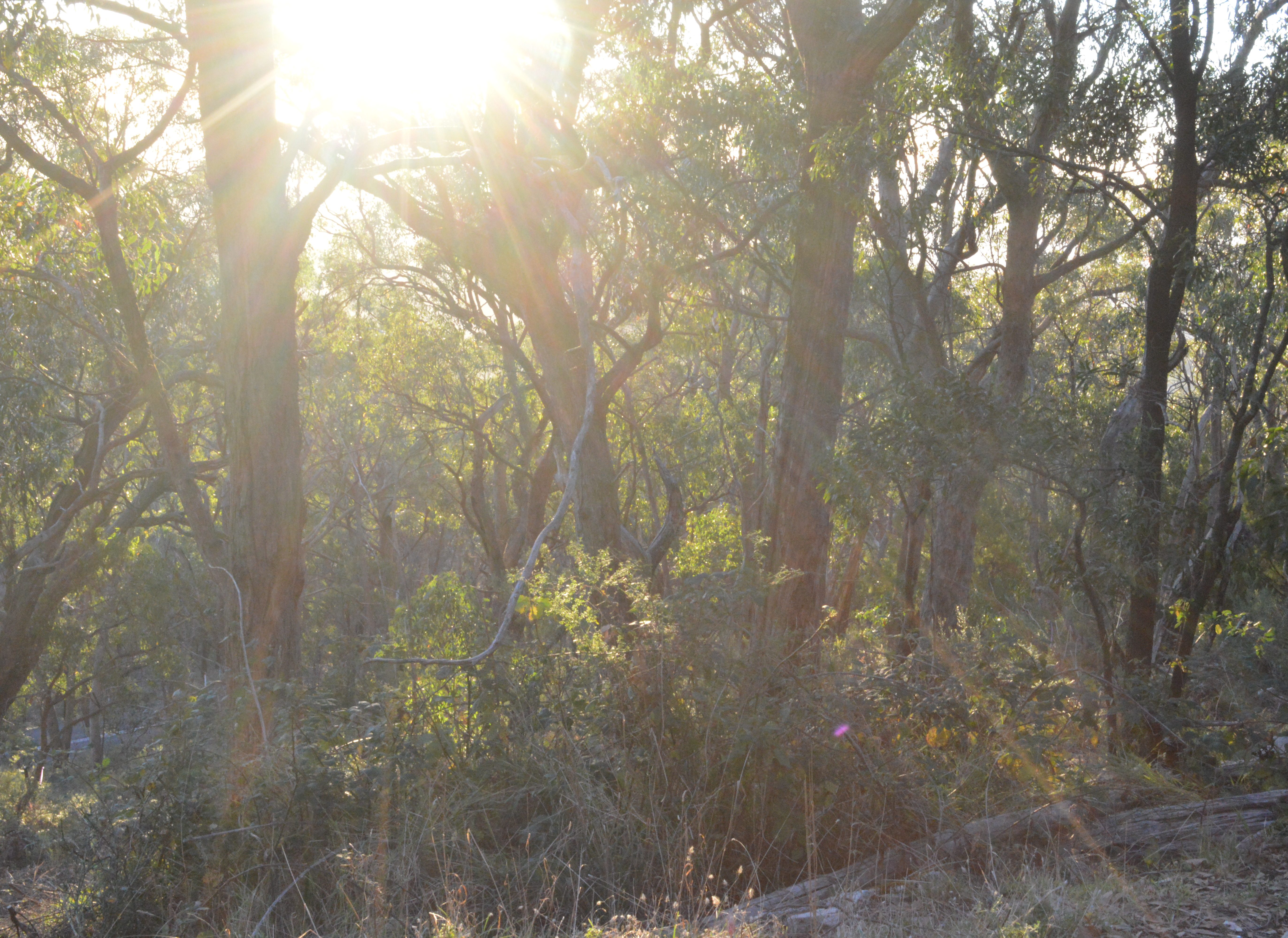
Australia is a vast country, but vastness should not be mistaken for limitlessness. Much of our land is dry and ecologically fragile, while water scarcity, climate pressure and depleted soils demand more than the repetition of inherited agricultural practices. The challenge is not simply to make more land productive, but to reconsider what productivity means.
A landscape cannot truly be called productive if short-term gains leave it less capable of sustaining life. Young scientists, farmers, engineers and First Nations knowledge holders may find new ways to grow food, conserve water, regenerate soil and produce renewable energy while respecting the particular character of this continent.
Their contribution will require more than technical skill. As Leo argues, the central question surrounding new technologies is not merely what they can accomplish, but whether they protect human dignity and enable genuine human flourishing. Artificial intelligence and other emerging tools may assist with water management, climate modelling and precision agriculture, but efficiency alone is not a moral measure. A solution that increases production while displacing communities, concentrating power or damaging ecosystems has not solved the whole problem.
Education must therefore form young people to ask deeper questions: Who benefits? Who carries the cost? What is preserved, and what is quietly lost?
This is the significance of Magnifica Humanitas. Leo does not reject technological development; he places it within a richer understanding of the human person. Creativity and intelligence are gifts from God, but they reach their proper purpose only when directed towards truth, relationship, justice and care. Human beings must remain the authors of technology rather than becoming shaped by its narrowest measures of value.
Catholic education has a distinctive responsibility here. It should prepare students not simply to enter the world as it is, but to participate wisely in what it might become. Knowledge needs imagination, yet imagination also needs conscience. Innovation needs courage, but courage must remain attentive to the poor, the earth and those who will inherit the consequences of today’s decisions.
Our hope is not that young people will rescue us through ingenuity alone. It is that their passion will be formed by wisdom and their intelligence directed towards service. The future will depend not only on the solutions they create, but on the vision of humanity and creation that guides them.
Perhaps the great task of education is to ensure that, as young people learn how to change the world, they also learn what must never be sacrificed in the process. More than this, there is a dangerous dance here. Hope. Young people create hope, but what do we as a society do to encourage, nurture, to grow their sense of hope? For how can hope emerge from hearts that do not already have an ember?

